Introduction: what does prepping mean?
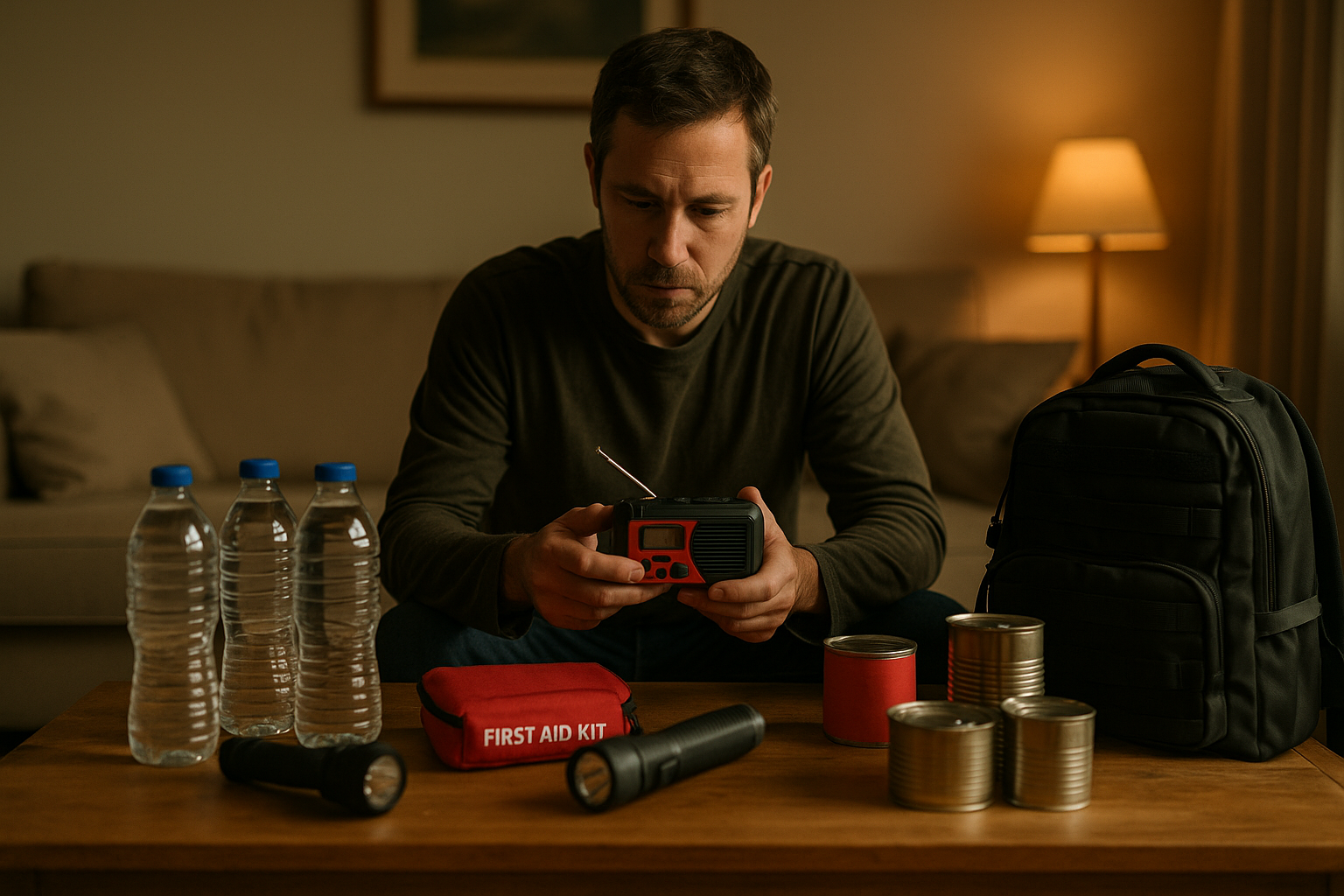
Prepping is calmly preparing for emergencies. Not out of fear, but for peace of mind. With a basic stock, the right tools and a simple plan, you increase self-reliance during blackouts, severe weather, supply issues or evacuations.
Why prepping helps
- Clarity under stress: you know what to do when things go wrong.
- Time buffer: bridge the first 72 hours without external help.
- Safety & comfort: light, warmth, comms and meds remain available.
- Flexibility: shelter in place (bug in) or leave temporarily (bug out).
The 6 pillars of preparedness
- Water & purification – storage + filter/tablets.
- Food & calories – shelf-stable, easy to prepare, enough energy.
- Shelter & warmth – layered clothing, emergency blanket/tarp.
- Light & communication – flashlight/headlamp, emergency radio, powerbank.
- First aid & health – essentials + personal medication and hygiene.
- Tools & repairs – multitool, paracord, duct tape, lighter.
How to start (5 steps)
- Build for 72 hours: water (min. 3 L per person/day), simple meals, light and first aid.
- Create a simple plan: contacts, meeting point, roles & tasks.
- Assemble a go-bag: use a base emergency kit or pack your own.
- Practice & test: check batteries, taste-test meals, run a “blackout drill”.
- Expand where needed: more supplies, a solar powerbank, extra first aid.
What belongs in the core kit?
- Water: storage + filter/tablets and clean bottles.
- Food: nutritious staples (rice, legumes, freeze-dried, nuts).
- Light: flashlight/headlamp + batteries or rechargeable, e.g. an LED flashlight with powerbank.
- Communication: emergency radio (crank/solar) for alerts.
- First aid: dressings, disinfectant, gloves, personal meds.
- Tools: multitool, knife, duct tape, paracord, lighter.
- Documents & cash: ID copies, insurance, emergency numbers, small bills.
Bug in or bug out?
Bug in is often best if your home is safe and stocked. Bug out is plan B — with a compact grab-bag or an extended kit you stay mobile and independent.
Common mistakes to avoid
- Buying only gear: practice and maintenance matter just as much.
- No power plan: keep powerbanks and charging options ready (USB-C/solar).
- Overweight packs: keep it portable; prioritize quality over quantity.
- No rotation: check expiry dates and batteries twice a year.
72-Hour quick checklist
- Water: 9 L pp | Food: 6–9 meals pp
- Light: flashlight + headlamp | Energy: powerbank + cables
- First aid: basic kit + meds | Documents: copies + cash
- Radio: crank/solar | Tools: multitool, paracord, duct tape
Conclusion
Prepping is planning, not panic. With a smart base, a simple plan and regular check-ups, you build real resilience. Start small, learn by doing and scale up — that’s modern self-reliance.